
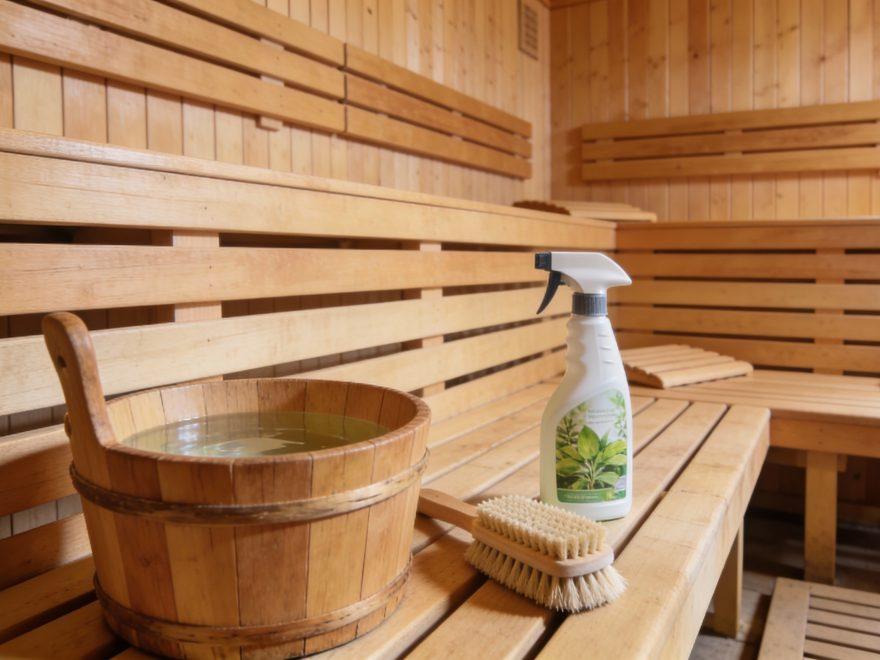
Saunas are havens for relaxation and wellness, but the warm, moist environment that feels so therapeutic can also create ideal conditions for bacteria, mold, and mildew growth if not properly maintained. While the high temperatures during sauna sessions kill many microorganisms, bacteria can thrive in the damp wood and on surfaces between uses. Understanding how to prevent bacterial growth ensures your sauna remains a clean, healthy space for you and your family. This guide covers essential cleaning practices, ventilation techniques, and maintenance routines to keep your sauna hygienic and safe for every session.
Why Bacteria Thrives in Saunas
Bacteria growth in saunas occurs because of the combination of warmth, moisture, and organic material. During sauna use, your body releases sweat, dead skin cells, and natural oils that settle onto wooden benches, backrests, and floors. When the sauna cools down after use, these surfaces retain moisture, creating a nutrient-rich environment where bacteria can multiply rapidly.
Traditional saunas typically reach 150-195°F during use, which kills most bacteria temporarily. However, once temperatures drop and humidity remains elevated—especially in poorly ventilated saunas—bacteria can establish colonies within hours. Common problem areas include bench surfaces where bathers sit, floor areas near drains, corners where air circulation is limited, and any cracks or crevices in the wood where moisture accumulates. Infrared saunas face similar challenges despite lower operating temperatures, as they still generate sweat and moisture without the bacteria-killing heat of traditional saunas.
Daily Maintenance Practices
After every sauna session, wipe down all benches, backrests, and frequently touched surfaces with a clean towel to remove sweat and body oils. This simple step eliminates the organic matter bacteria need to thrive. Leave the sauna door wide open for at least 30-60 minutes after use to allow complete air circulation and moisture evaporation. Many sauna owners make the mistake of closing the door immediately, which traps humidity inside.
Always require users to sit on personal towels rather than directly on wood surfaces. This barrier prevents direct contact between skin and wood, significantly reducing the transfer of sweat, oils, and bacteria. Replace or wash these towels after every use. For households with multiple daily users, keep a dedicated basket of clean sauna towels readily available to ensure this practice is consistently followed.
Run a quick visual inspection after each session, checking for any standing water on floors or benches. Use a squeegee or absorbent towel to remove any pooled moisture immediately, paying special attention to corners and areas around the heater where condensation may accumulate.
Weekly Deep Cleaning Routine
Once weekly, perform a thorough cleaning using a sauna-specific cleaner or a mild solution of water and white vinegar (1:4 ratio). Avoid harsh chemical cleaners, bleach, or abrasive products that can damage wood or leave toxic residues that vaporize during heating. Apply your cleaning solution with a soft brush or cloth, scrubbing all bench surfaces, backrests, walls, and floors.
Pay particular attention to high-contact areas like headrests, door handles, and the area directly behind where bathers typically sit. These spots accumulate the most body oils and sweat residue. For stubborn stains or odors, create a paste using baking soda and water, apply to affected areas, let sit for 15-20 minutes, then scrub gently and rinse thoroughly.
After cleaning, rinse all surfaces with clean water to remove any cleaning solution residue. Then—and this is crucial—leave the sauna door open and allow complete drying for several hours or overnight. Some sauna owners run a brief heating cycle (15-20 minutes) after cleaning to accelerate drying, which also helps kill any remaining bacteria.
Proper Ventilation Is Critical
Adequate ventilation is your strongest defense against bacteria growth. Install or verify that your sauna has proper air intake vents near the floor (typically near or below the heater) and exhaust vents near the ceiling on the opposite wall. This creates continuous air flow that prevents moisture stagnation even when the sauna isn’t in use.
Consider installing a small exhaust fan that runs continuously or on a timer after sauna sessions. A fan doesn’t need to run during your sauna session but should activate for 2-4 hours afterward to expel humid air. In home saunas, cracking a window in the sauna room (not the sauna itself) can also improve overall air circulation.
Never store damp towels, wet swimsuits, or other moist items inside your sauna between uses. These contribute additional moisture and organic material that encourage bacterial growth. Designate a separate area with good ventilation for drying sauna-related items.
Monthly and Seasonal Maintenance
Monthly, inspect your sauna wood for any signs of mold, mildew, or discoloration. Dark spots, fuzzy growth, or musty odors indicate bacterial or fungal colonies that need immediate attention. For minor mold spots, sand the affected area lightly with fine-grit sandpaper to remove the surface growth, then treat with a sauna-safe antimicrobial solution.
Every 3-6 months, consider a deep treatment with a specialized sauna wood treatment product that contains natural antimicrobial properties. Cedar and eucalyptus oils are popular choices that provide pleasant aromatherapy benefits while offering antibacterial protection. Apply these treatments sparingly and allow complete drying before using the sauna.
Check and clean your sauna’s drainage system if applicable. Floor drains can harbor bacteria if not regularly flushed and cleaned. Pour a gallon of hot water mixed with vinegar down drains monthly to clear biofilm and prevent bacterial buildup in pipes.
Additional Prevention Strategies
Shower before every sauna session to remove lotions, oils, perfumes, and surface dirt from your skin. This simple habit dramatically reduces the amount of organic material introduced into your sauna environment. Encourage all sauna users to follow this practice without exception.
Consider using sauna-specific sanitizing sprays between sessions, especially if multiple people use the sauna throughout the day. Look for food-grade, non-toxic formulas designed specifically for high-heat environments. Avoid conventional disinfectants that may release harmful fumes when heated.
If your sauna develops a persistent musty odor despite regular cleaning, it may indicate bacteria growth deep within the wood or inadequate ventilation. In such cases, consult a sauna professional who can assess whether wood replacement or ventilation improvements are necessary.
Conclusion
Preventing bacteria growth in your sauna requires consistent daily habits, regular deep cleaning, and proper ventilation rather than occasional intensive efforts. By wiping down surfaces after each use, ensuring complete drying between sessions, and maintaining a weekly cleaning schedule, you’ll keep your sauna fresh, hygienic, and safe. Remember that prevention is far easier than remediation—establishing these practices from day one will ensure your sauna remains a healthy sanctuary for years to come. A clean sauna isn’t just more pleasant; it’s essential for protecting your health and maximizing your investment.