
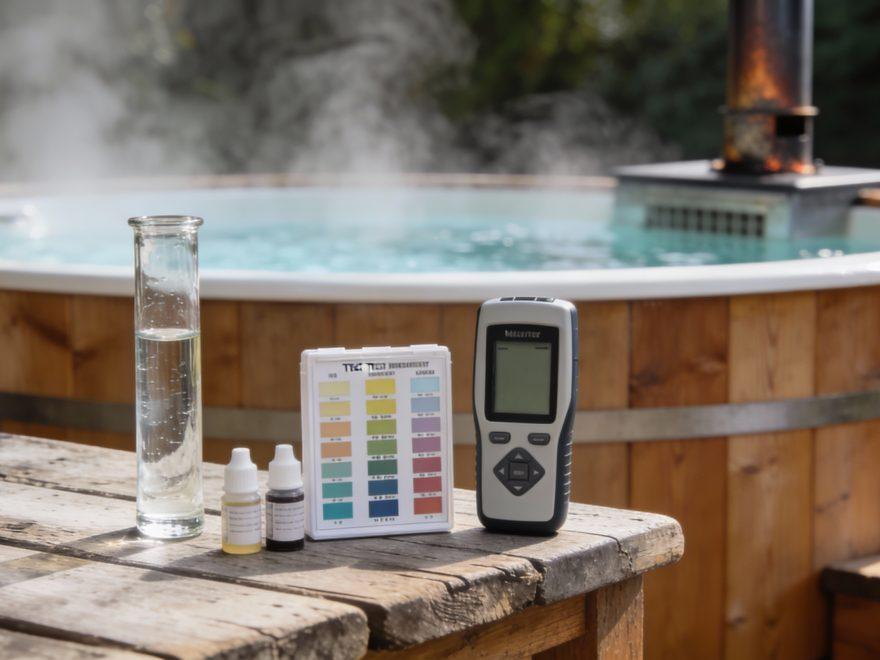
Wood-burning hot tubs require a fundamentally different water chemistry approach than conventional electric spas, as temperature fluctuations, organic material introduction, and metal contact create unique chemical dynamics. Mastering advanced water management extends equipment lifespan while ensuring safe, comfortable soaking conditions.
Understanding pH Drift in Wood-Fired Systems
Wood-fired hot tubs experience more dramatic pH shifts than electric models due to ash particles and volatile organic compounds released during combustion. Aim for a pH range of 7.2-7.6, testing before each heating session and 30 minutes after reaching target temperature. Ash contamination typically drives pH above 8.0, creating alkaline conditions that reduce sanitizer effectiveness and cause skin irritation. Use dry acid (sodium bisulfate) rather than muriatic acid for pH reduction—add 30-40 grams per 1,000 liters to lower pH by 0.2 points, allowing 20 minutes for full circulation before retesting.
Alternative Sanitization Systems
While chlorine remains the standard sanitizer, wood-burning tubs offer opportunities for alternative approaches that work synergistically with natural heat cycles. Bromine tablets provide more stable sanitization in fluctuating temperatures, maintaining effectiveness between 7.0-8.0 pH compared to chlorine’s narrow 7.2-7.6 optimal range. Mineral sanitizers using silver and copper ions reduce chemical loads by 50-70%, though they require weekly shock treatments with non-chlorine oxidizers. Ozone injection systems installed on recirculation pumps eliminate 99% of contaminants while reducing chemical needs to monthly maintenance doses rather than per-use applications.
Managing Tannins and Organic Compounds
New cedar tubs leach tannins for 6-12 weeks, creating amber-colored water that’s harmless but aesthetically unpleasant. Add a clarifying agent containing chitosan at 20ml per 1,000 liters weekly during the break-in period—this natural compound binds tannins into filterable particles. For established tubs, organic load from bathers and environmental debris demands different management than indoor spas. Use enzyme-based water treatments biweekly to break down oils, lotions, and organic matter that traditional sanitizers don’t address, preventing biofilm formation on submerged wood surfaces.
Hardness and Mineral Balance
Water hardness profoundly affects wood preservation and user comfort in wood-fired systems. Target total hardness of 150-250 ppm—levels below 100 ppm create “soft” water that aggressively leaches minerals from wood staves, while readings above 300 ppm cause scale buildup on heating coils and waterlines. If your source water tests below 100 ppm, add calcium hardness increaser at 10 grams per 1,000 liters to raise hardness by 10 ppm. For excessively hard water above 400 ppm, install an inline pre-filter with scale inhibitor technology rather than attempting chemical reduction, which creates unstable water conditions.
Seasonal Water Chemistry Adjustments
Winter operations require reduced sanitizer levels due to lower bather loads and decreased bacterial growth rates in cold air exposure. Cut chlorine or bromine concentrations by 30-40% during months when ambient temperatures stay below 0°C. Spring snowmelt introduces elevated mineral content and sediment—perform a complete water change after final thaw and test alkalinity levels weekly for the first month, as groundwater chemistry shifts dramatically during seasonal transitions. Summer heat accelerates chemical consumption; increase testing frequency to twice weekly and raise free chlorine targets from 3 ppm to 4-5 ppm when daytime temperatures exceed 30°C.